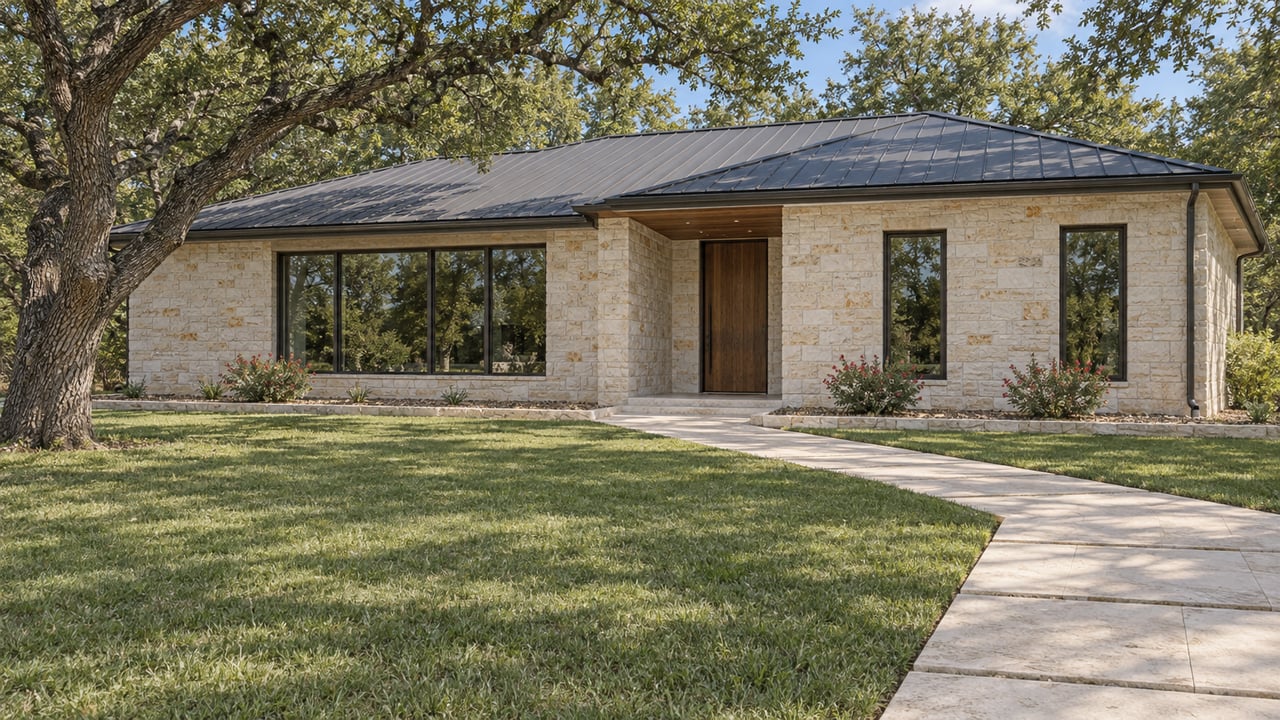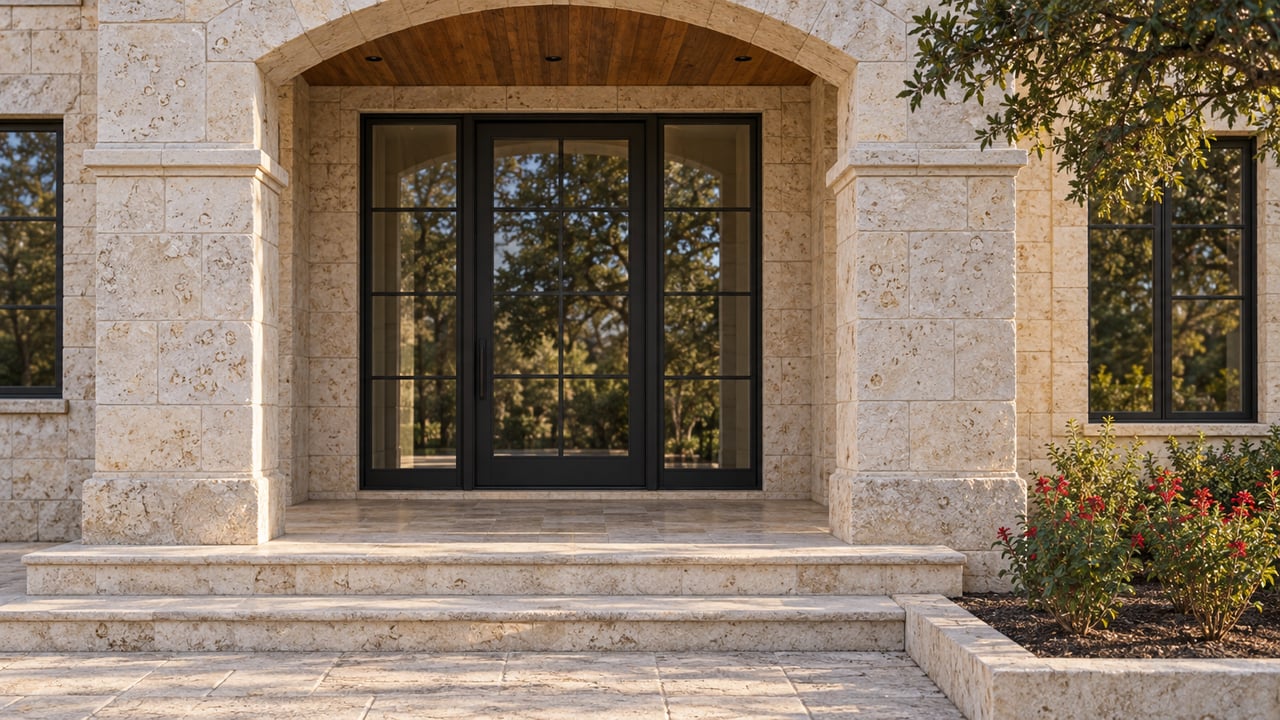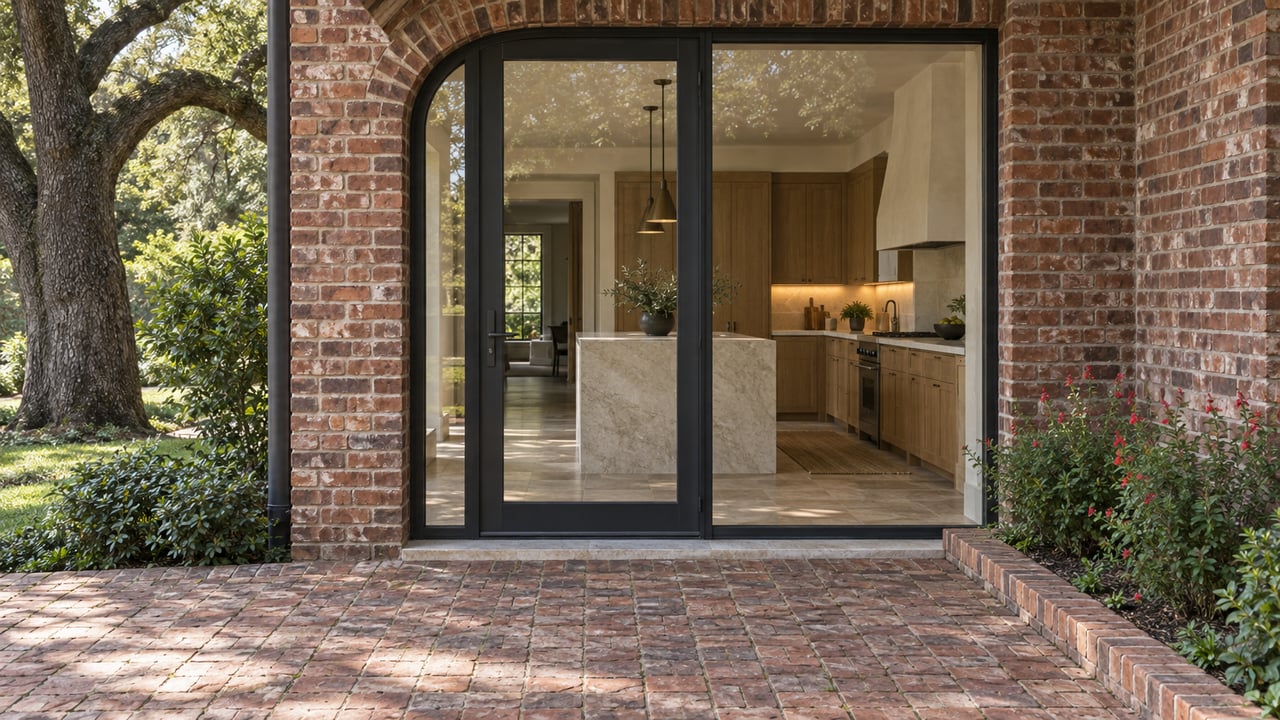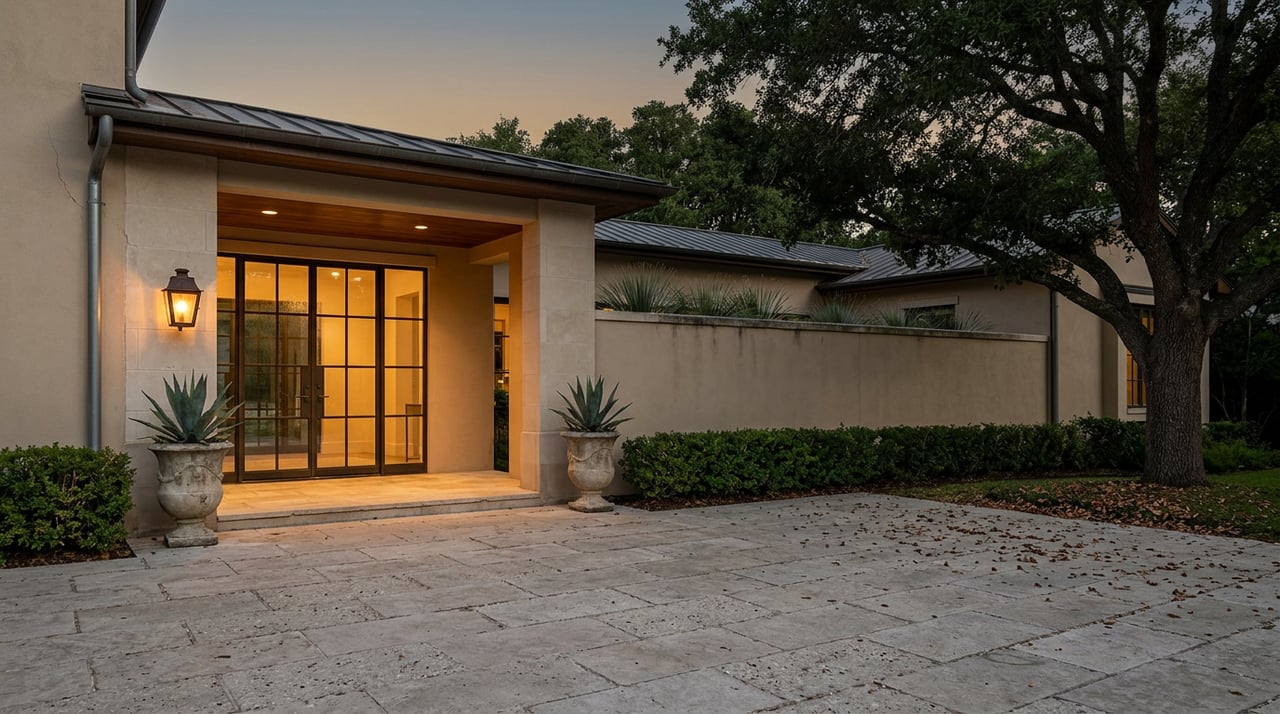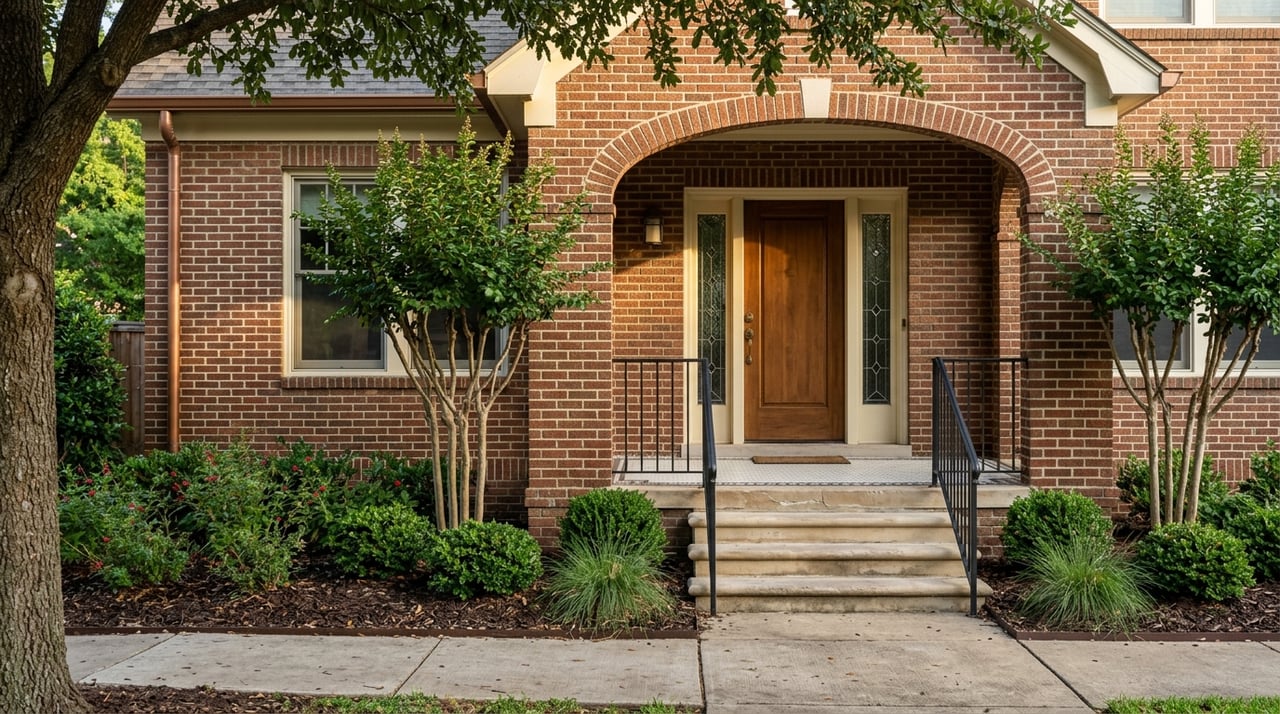
Buying in Monte Vista can be exciting, but it is not the same as buying in a newer neighborhood. You are often weighing architecture, preservation rules, repair needs, and lot-specific conditions all at once. If you are drawn to Monte Vista’s character, this guide will help you understand what to check before you make an offer and how to approach the process with more confidence. Let’s dive in.
Monte Vista has a distinct historic identity
Monte Vista is a locally designated historic district just north of downtown San Antonio. According to the City of San Antonio, the district was designated in 1975 and is governed by local Historic Design Guidelines adopted by City Council ordinance.
That local designation matters because it is different from simply living near older homes or within a National Register area. In Monte Vista, exterior changes are subject to a city review framework, so you should understand the rules early instead of discovering them after closing.
Expect architectural variety, not uniformity
One of Monte Vista’s biggest draws is its architectural range. City materials describe the area as an early 20th-century district with homes that reflect Classical Revival, Tudor, Spanish Eclectic, Queen Anne, Craftsman, Mission Revival, and Art Moderne influences.
In practical terms, that means Monte Vista does not behave like a uniform subdivision where every house follows the same template. Each block, and often each property, can feel different in scale, style, setbacks, driveways, sidewalks, and streetscape details.
If you are a design-conscious buyer, that variety can be a major advantage. It also means comparable sales, renovation scope, and upkeep expectations may require a more careful property-by-property review.
Verify whether the home is inside the district
Do not assume that every nearby home is within the Monte Vista historic district boundary. The City of San Antonio notes that the district boundary is not always clearly marked on the ground.
That makes parcel-level verification an important first step. Before you move too far into due diligence, confirm whether the specific property is inside the local historic district, because that will shape what exterior work may require review and approval.
Understand what historic designation does and does not change
Historic designation does not change the allowed use of a property. The city states that zoning still controls use.
Designation also does not automatically require you to restore a home back to an earlier historic condition. However, if you plan exterior work that is inconsistent with the Historic Design Guidelines, that work will require review and approval.
This is where many buyers benefit from slowing down and asking better questions. If you are purchasing with plans to update windows, add square footage, change masonry, or alter the front yard, those plans should be evaluated before you assume they will be simple to execute.
Exterior changes usually involve review
In San Antonio’s locally designated historic districts, all exterior modifications require a Certificate of Appropriateness before permitting. That means even modest-looking exterior work can involve a formal review path.
For buyers, the key mindset shift is this: think of exterior remodeling in Monte Vista as a review process, not just a construction project. Your vision may still be possible, but timing, design, and approvals matter.
Additions need context-sensitive design
The city’s guidelines say the historic building should remain the central focus, and additions should not damage or obscure architecturally important details or materials. Each project is reviewed in the context of its block and the surrounding district.
If you are considering expanding a home, that context matters as much as the lot itself. A rear addition, side massing, roofline change, or garage configuration may be judged partly by how it relates to neighboring historic properties.
Window decisions deserve extra attention
Window work is especially important in older homes. The city advises preserving historic openings and matching exterior muntin pattern, profile, and size when replacement is necessary.
The city also advises against vinyl insert replacements that do not match the original character of the home. If the windows are a concern for budget or efficiency, it is wise to evaluate them carefully during inspections and before finalizing renovation plans.
Fences and front-yard changes can be block specific
Fence and wall decisions are not one-size-fits-all in Monte Vista. San Antonio’s policy notes that historic use of fences and low retaining walls can vary dramatically by district and even by block, and Monte Vista is specifically cited in those examples.
A front-yard fence that seems reasonable on one street may not be considered appropriate on another, especially where open lawns or slope changes shape the streetscape. If privacy or enclosure is important to you, review that issue before you buy.
Research permits and prior work
San Antonio states that a building permit is typically required to build, remodel, repair, or demolish a structure. The city also maintains a document archive and a legacy permit data portal that can help buyers research prior work.
This matters in a historic neighborhood because a beautifully updated house may have a long paper trail behind it. Reviewing permits can help you understand what was changed, whether work appears to have been properly documented, and where you may want more follow-up during option and inspection periods.
Older homes call for deeper due diligence
A Monte Vista purchase often involves a different level of inspection than a newer home. Texas buyers should use a licensed TREC inspector, and TREC says inspectors use the Property Inspection Report under state standards of practice.
You should also expect and review the Seller’s Disclosure Notice for previously occupied single-family residences. In a historic district, disclosures and inspections often work best when they are paired with your own close review of age, materials, drainage, and prior renovation choices.
Do not rely only on appraisal data
BCAD says its records can contain discrepancies, especially for pre-1982 properties. That means the appraised year built or other record details may not tell the full story for an older Monte Vista home.
If age, square footage, or improvement history is important to your decision, compare public records with surveys, permits, invoices, and closing documents when available. Small inconsistencies can affect your budgeting and renovation planning.
Check title, easements, and liens
Bexar County says liens can be researched through the County Clerk’s deed records or official records search. Title companies or attorneys can handle clear-title searches for a fee.
For older properties, this step is especially important because lot history, access arrangements, or recorded encumbrances may have developed over time. Clear answers early can prevent surprises later.
Look closely at drainage and foundation clues
City materials describe Monte Vista as having mixed topography, with some flatter areas and some hillier portions, and drainage generally toward the east. That makes lot-specific grading and moisture conditions worth careful attention.
In practical terms, you will want to look beyond the house itself. Walk the site, study drainage patterns, and ask detailed questions about standing water, grading, and any signs of movement that may affect foundations or long-term maintenance.
Flood risk is parcel specific
Flood risk should be checked parcel by parcel using FEMA’s official flood hazard mapping source. In a neighborhood with varied topography, it is not enough to generalize from a nearby block.
Even if a home is not in a higher-risk flood zone, you should still understand how water moves across that particular site. Drainage behavior and flood designation are related but not identical issues.
Lead, asbestos, and wood-destroying insects matter
For homes built before 1978, the EPA says many houses have some lead-based paint, and buyers have the right to know whether lead hazards are present before signing. Sellers must also give buyers the opportunity to check the home.
The EPA also notes that older buildings may contain asbestos in materials such as floor tiles, ceiling tiles, pipe wrap, or insulation. If those materials are disturbed, risk can increase.
Texas A&M AgriLife notes that active termite infestations can be difficult to detect and that buyers should watch for swarmers, wings, mud tubes, or damaged wood. In Monte Vista, a wood-destroying insect inspection is a sensible part of due diligence, not an optional extra.
Taxes and value deserve a realistic view
For tax planning, BCAD appraises property and local taxing units set the rates. The City of San Antonio states that historic designation alone does not increase taxes, although higher desirability can be reflected in assessed values over time.
The city also states that historically designated neighborhoods retain value at a greater rate than neighborhoods that are not designated. That is the city’s summary, so it is best viewed as an official local position rather than a guarantee for any individual property.
For you as a buyer, the takeaway is balance. Monte Vista’s historic character may support long-term appeal, but your purchase still needs to make sense based on condition, location, block context, and expected upkeep.
Historic incentives may matter for major rehab plans
If you are considering a substantial rehabilitation, San Antonio offers historic-property tax incentives for qualifying projects. The city says the 10-Year Tax Freeze keeps the City property tax line at the pre-improvement value for ten years, while the 5 Zero/5 Fifty option provides five years at zero city property taxes and five years at 50 percent of post-rehab value.
These programs require city and HDRC approval, and the incentive stays with the property. If you are buying a home with a major restoration plan in mind, it may be worth evaluating whether the property and project could qualify.
Monte Vista rewards patient, informed buyers
Monte Vista offers architectural character that is hard to replicate, but it also asks more from you as a buyer. You need to think about design guidelines, permit history, lot conditions, inspection depth, and long-term maintenance in a more detailed way than you might in a newer area.
That does not make Monte Vista harder to buy. It simply means the best purchases usually come from careful due diligence, realistic repair budgeting, and a clear understanding of how preservation review may shape your plans.
If you are considering a move in Monte Vista and want a calm, research-based approach to the process, Nathan Dumas can help you evaluate properties with the level of detail historic homes deserve.
FAQs
What should you know about Monte Vista historic district rules before buying?
- Monte Vista is a locally designated historic district, and exterior modifications require a Certificate of Appropriateness before permitting under San Antonio’s Historic Design Guidelines.
What should you verify about a Monte Vista property before making an offer?
- You should verify whether the specific parcel is inside the local historic district, review permit history, confirm title and lien status, and evaluate lot-specific drainage, condition, and inspection findings.
What makes Monte Vista homes different from newer San Antonio neighborhoods?
- Monte Vista is known for varied early 20th-century architecture, block-specific streetscapes, and older housing stock that often requires more detailed due diligence and renovation planning.
What inspections are important when buying an older Monte Vista home?
- A licensed TREC inspection is standard, and many buyers also pay close attention to drainage, foundation clues, wood-destroying insects, lead-based paint in pre-1978 homes, and possible asbestos-containing materials.
What should you know about renovations in Monte Vista before buying?
- Exterior changes such as additions, windows, fences, and some visible alterations are reviewed under local historic guidelines, so renovation plans should be vetted early instead of assumed.
What should you know about property taxes in Monte Vista?
- Historic designation alone does not increase taxes according to the City of San Antonio, but assessed values may reflect desirability over time, and qualifying substantial rehabs may be eligible for city historic tax incentives.