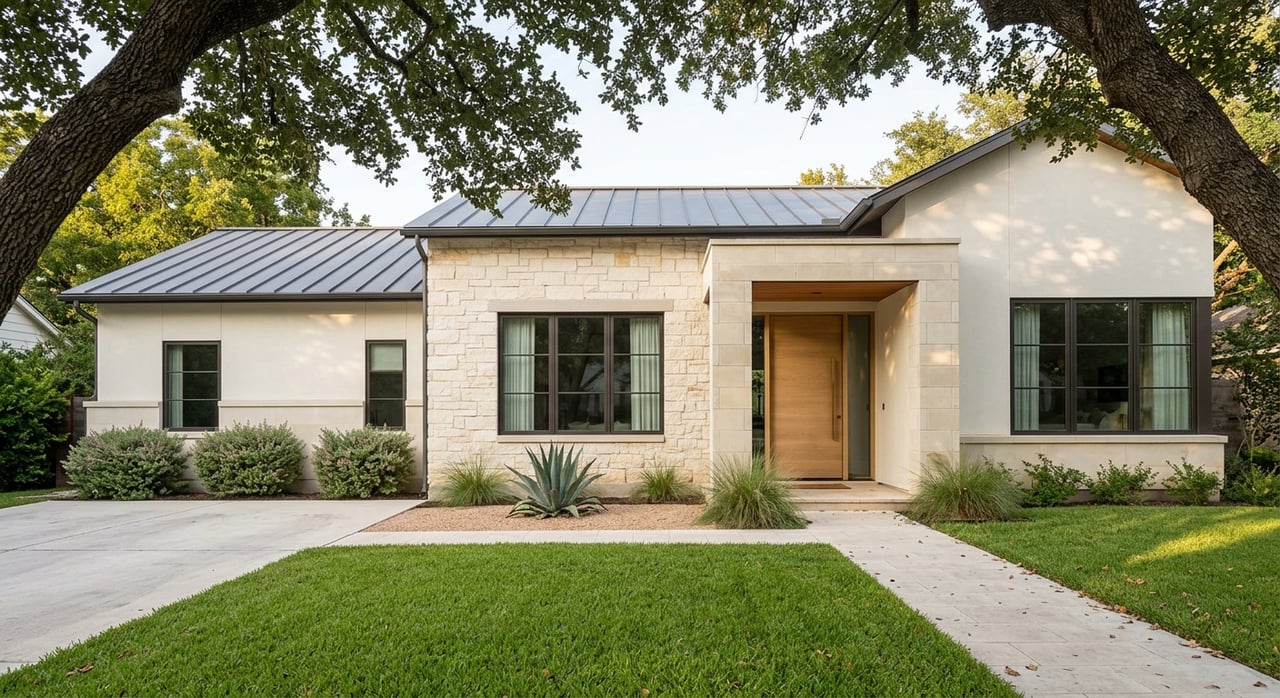
Curious what daily life really feels like in Alamo Heights? If you are weighing a move, planning a sale, or simply trying to understand the neighborhood beyond listing photos, it helps to know how the area works in real life. From short routines and local services to architecture, parks, and nearby cultural anchors, here is a practical look at what everyday living in Alamo Heights can look like. Let’s dive in.
Alamo Heights at a glance
Alamo Heights is a small home-rule city within San Antonio, with its center about 4.5 miles north of downtown. With 1.84 square miles of land and a population of 7,357 at the 2020 census, plus an estimated 7,632 residents in 2025, it tends to feel compact and close to home in day-to-day life.
That scale shapes how you experience the area. Errands, school drop-offs, and neighborhood activities often stay local, which can make routines feel more connected and manageable. At the same time, you still have quick access to the broader San Antonio core.
Daily routines feel local
One of the defining features of Alamo Heights is how neighborhood-based it feels. City updates regularly include traffic notices, emergency alerts, local runs, the annual 4th of July parade, and other civic events, which points to a community where local operations and public happenings are part of ordinary life.
If you prefer a place where the city around you feels active and visible, that can be a meaningful advantage. You are not simply living near San Antonio. You are living in a small municipality with its own cadence, services, and civic identity.
The setting supports outdoor living
Alamo Heights has warm weather year-round, with mild winters, hot summers, and about 32.9 inches of annual rainfall. Those conditions help explain the area’s strong emphasis on shade, tree canopy, and water-wise landscaping.
For homeowners, that climate affects more than curb appeal. It influences how outdoor spaces are used, what landscaping choices make sense, and why mature trees and native plantings matter so much to the look and comfort of the neighborhood.
Homes show layered character
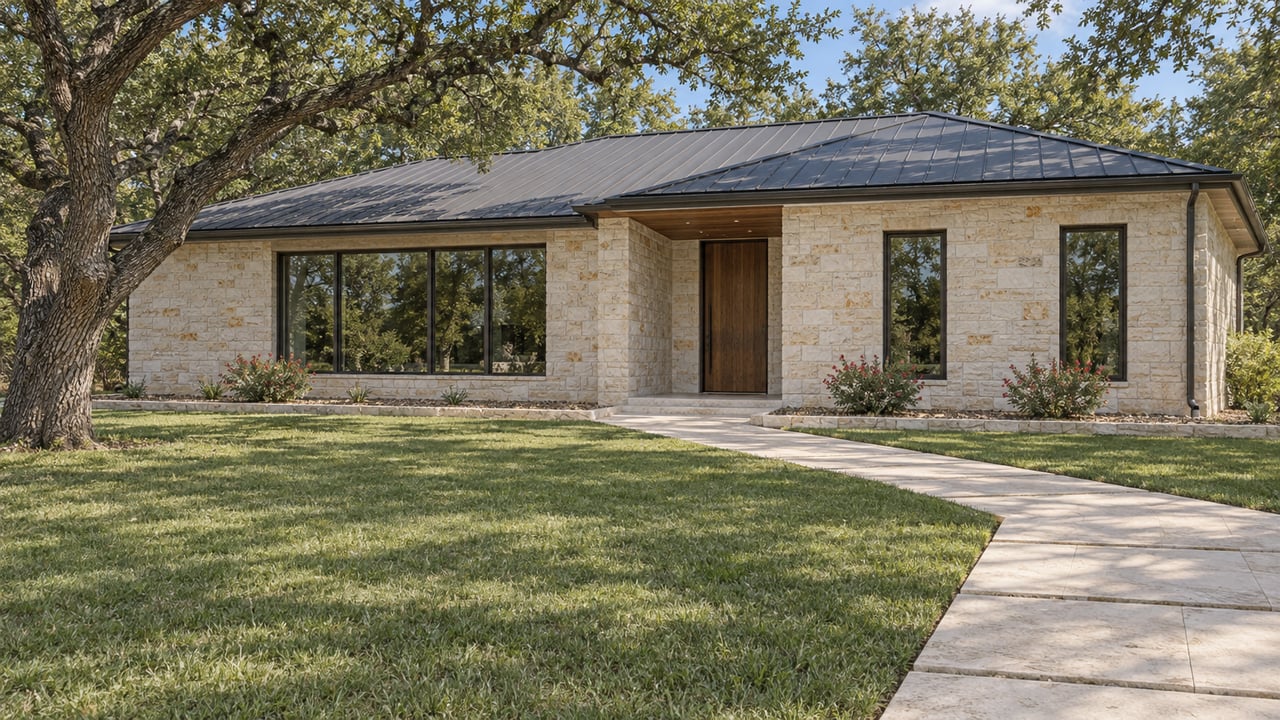
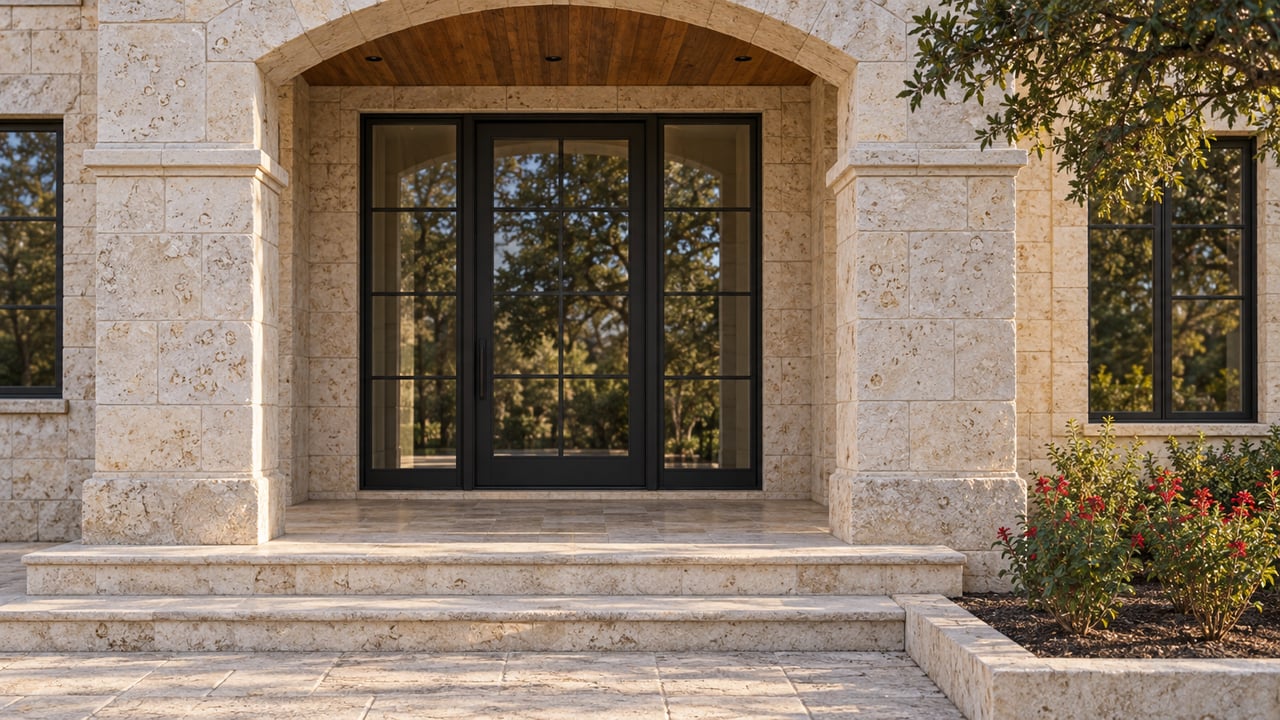
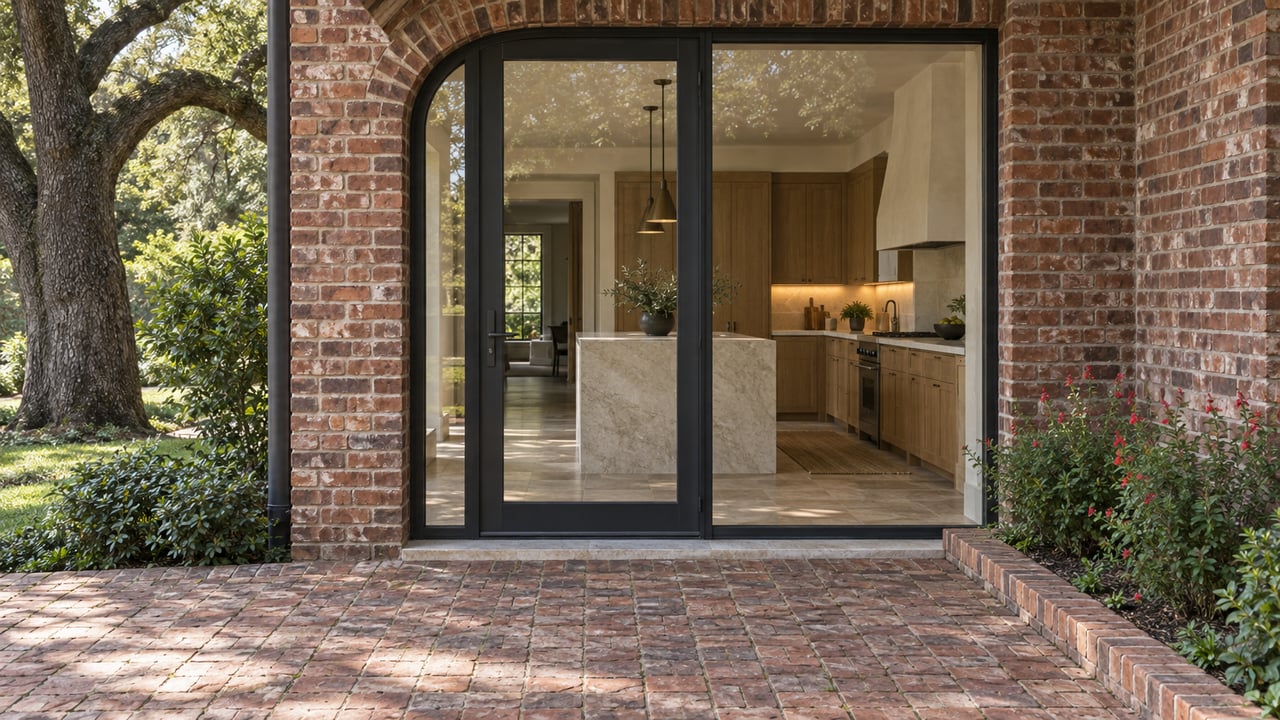
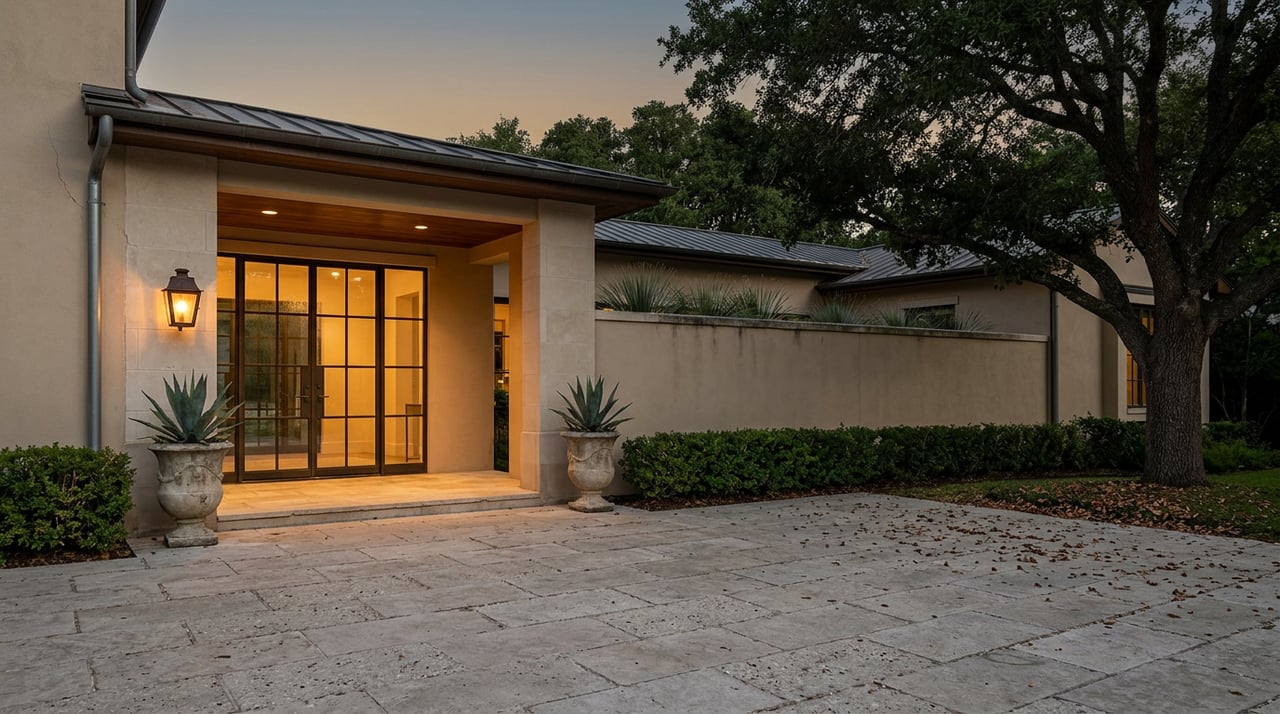
Alamo Heights developed in stages beginning in the 1890s, and that long growth pattern shows up clearly in its housing stock. Rather than one uniform look, you will find a mix of architectural styles and neighborhood patterns that feel cohesive without feeling repetitive.
That variety is part of what draws design-conscious buyers to the area. If you care about streetscape, materials, lot shape, and how a home sits in its setting, Alamo Heights offers more nuance than many neighborhoods built in a single era.
Distinct areas within the city
Several parts of Alamo Heights have their own housing patterns and visual identity:
- Sylvan Hills includes mostly postwar ranch homes, along with some smaller Minimal Traditional houses.
- Blue Bonnet Hills features stone, brick, and stucco homes with 1920s-era character, often on elevated lots with retaining walls.
- Cottage District is known for smaller-scale homes, often one story, with rear garages and a more intimate street presence.
- La Jara includes wooded lots, strong tree canopy, and eclectic stone, brick, and stucco homes from several decades.
- Cambridge Oval and Patterson Loop include larger, more irregular lots shaped by topography and drainage patterns.
This range means your experience can vary block by block. Some buyers are drawn to a classic ranch layout, while others want a cottage-scale setting or a home with more topographic character.
Multifamily and transition areas
Single-family homes are a major part of the city, but they are not the whole story. Duplexes, triplexes, older apartment buildings, townhomes, and later infill are more concentrated closer to Broadway and Austin Highway, especially in transition areas near the commercial corridor.
That mix can matter if you are looking for a lower-maintenance option, a smaller footprint, or a property near more commercial activity. It also helps explain why Alamo Heights can feel both residential and connected, rather than isolated.
Ownership often comes with design review
If you are considering a renovation, it is important to understand that exterior changes are not always fully open-ended here. The city’s Architectural Review Board reviews demolition, multifamily and commercial exterior projects, and signage.
In demolition cases, the review process considers architectural or historical significance, along with compatibility of replacement structures. In practical terms, ownership in Alamo Heights often includes some attention to preservation and neighborhood context, especially for buyers who plan to make visible changes.
A market with long-term ownership
Alamo Heights has a strong owner-occupied base. Census QuickFacts reports a 74.1% owner-occupied housing rate, a median owner-occupied home value of $779,400, and a median household income of $183,088.
That data supports what many buyers and sellers already sense in the market. Alamo Heights is an established, higher-cost area with a stable identity and many long-term owners. For sellers, that can reinforce the importance of thoughtful pricing and presentation. For buyers, it often means inventory can feel more selective.
Schools are part of the routine
For many households, Alamo Heights Independent School District plays a central role in everyday planning. The district operates five campuses: Howard Early Childhood Center, Cambridge Elementary, Woodridge Elementary, Alamo Heights Junior School, and Alamo Heights High School.
The district’s registration information says families must live within district boundaries, with only limited tuition-paying spaces available for nonresidents. If school access is part of your move, boundary verification is an important step early in your search.
Parks and culture stay close by
One reason Alamo Heights often feels more amenity-rich than its size suggests is its access to nearby cultural and recreational anchors. The McNay Art Museum sits on a 25-acre campus at 6000 N. New Braunfels, and the San Antonio Botanical Garden is a 39-acre living museum at 555 Funston Place with free on-site parking.
Trinity University’s 125-acre campus overlooking downtown San Antonio also adds to the area’s broader sense of place. Together, these nearby destinations can shape how you spend a free afternoon or a relaxed weekend without needing a long drive.
Easy options for weekends
Small details often make a neighborhood easier to enjoy. The McNay offers free general admission on Thursday evenings, and the Botanical Garden provides a convenient outing with parking already handled on site.
Within the city itself, the Pool Pocket Park project reflects continued investment in neighborhood-scale recreation near the pool and Billy Blake Park, including shade, restrooms, and play space. That kind of infrastructure can make daily life feel more comfortable and functional, especially during warmer months.
Local services shape the homeowner experience
Alamo Heights handles many city services locally rather than through San Antonio proper. The city provides water, sewer, and solid-waste service, and it uses Rave/Smart 911 for weather and traffic notifications.
For homeowners, this local structure is part of the everyday rhythm. The city also encourages native South Texas plants in its water-conservation guidance, so landscaping choices often reflect both practical climate concerns and neighborhood aesthetics.
Commutes are manageable for many buyers
If you need central-city access, Alamo Heights has a strong geographic advantage. Census QuickFacts reports a mean travel time to work of 19.2 minutes, and the city’s location about 4.5 miles north of downtown supports relatively direct access to major employment and activity centers.
The city is also pursuing a pedestrian-focused redesign at Broadway and Ogden, which signals ongoing attention to how people move through key corridors. For many buyers, the area works well because it keeps day-to-day travel relatively efficient while still offering a distinct residential feel.
Who Alamo Heights may suit best
No neighborhood fits everyone the same way, but Alamo Heights tends to align well with a few common lifestyle needs.
- Relocating professionals who want close-in access to downtown and manageable commute times
- Households focused on district boundaries and neighborhood-based routines
- Design-aware buyers who value varied architecture, older streetscapes, and context-sensitive ownership
- Long-term owners and sellers looking for an established market with a strong identity
If your priorities include neighborhood character, central access, and a strong sense of local rhythm, Alamo Heights offers a distinctive combination that is hard to duplicate.
Why the area stays in demand
Alamo Heights brings together several qualities that often hold value over time: a compact footprint, established housing, local services, nearby cultural anchors, and a strong owner-occupied base. It feels connected to San Antonio, but it also maintains a clear identity of its own.
That is often what buyers respond to first, and what owners continue to appreciate over time. The neighborhood is not just about location. It is about how daily life feels once you are there.
If you are considering a move to Alamo Heights, planning to sell, or trying to evaluate which part of the neighborhood best fits your goals, working with someone who understands both the market and the area’s design character can make the process much clearer. When you are ready for tailored guidance, connect with Nathan Dumas.
FAQs
What is everyday life like in Alamo Heights?
- Everyday life in Alamo Heights tends to feel local, compact, and neighborhood-based, with short routines, visible city services, and regular community events.
How close is Alamo Heights to downtown San Antonio?
- The city says the center of Alamo Heights is about 4.5 miles north of downtown San Antonio.
What kinds of homes are found in Alamo Heights?
- Alamo Heights includes postwar ranch homes, smaller cottage-scale homes, 1920s-era stone, brick, and stucco houses, wooded-lot homes from multiple decades, and some multifamily options near Broadway and Austin Highway.
Are there renovation rules in Alamo Heights?
- Yes. The city’s Architectural Review Board reviews certain exterior-related matters, including demolition, along with multifamily and commercial exterior projects and signage.
What schools serve Alamo Heights residents?
- Alamo Heights ISD operates Howard Early Childhood Center, Cambridge Elementary, Woodridge Elementary, Alamo Heights Junior School, and Alamo Heights High School, with residency within district boundaries generally required.
What makes Alamo Heights appealing for relocation?
- Many buyers are drawn to its central location, manageable commute times, established housing character, local services, and proximity to parks, museums, and other San Antonio amenities.